Global Market Landscape for Small-Scale Medical Waste Incinerators

Global Market Landscape for Small-Scale Medical Waste Incinerators


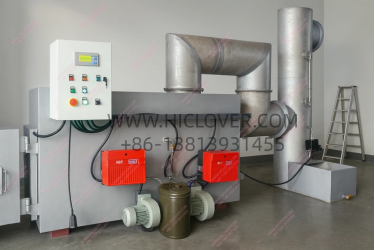
The safe disposal of medical and hazardous waste is a critical concern worldwide, driving demand for effective on-site incineration solutions. Small-scale waste incinerators C especially those designed for medical waste C have emerged as essential tools in remote clinics, disaster zones, and underserved healthcare facilities where conventional waste management infrastructure is lacking. In fact, as of 2021 only about 61% of hospitals worldwide had basic healthcare waste services, dropping to just 25% in fragile regions[1]. This gap underlines why on-site incineration is often relied upon as an immediate solution. International bodies like the United Nations (UN) and World Health Organization (WHO) play a key role in promoting these technologies through guidelines and support programs. This has made small incinerators a focal point for government agencies, humanitarian NGOs, healthcare providers, and environmental organizations looking to protect public health and the environment.


Global Market Trends and Landscape


Globally, the market for small-scale incinerators is on a steady growth trajectory. In 2024 the small waste incinerator sector was valued around $2.5 billion and is projected to reach roughly $5.0 billion by 2034, with a robust ~7% annual growth rate[2]. This expansion is propelled by increasing urbanization and stringent waste regulations in many countries that demand safer disposal methods[3]. Small-scale incinerators (units handling less than about 1 ton per hour) make up a significant share C roughly 40% of the overall incinerator market C reflecting their suitability for localized applications[4]. The Asia-Pacific region currently leads in adoption, accounting for about 45% of global revenue as rapidly developing nations invest in waste management infrastructure[5]. Meanwhile, emerging markets in Africa and Latin America are also seeing rising demand, driven by healthcare expansion and the need to replace unsafe practices like open burning.

Key drivers behind this trend include heightened environmental awareness and the push for sustainable waste solutions. Governments are tightening rules on medical and hazardous waste disposal, often requiring modern incineration (or equivalent treatment) to prevent pollution. At the same time, industries and municipalities seek to reduce reliance on overcrowded landfills by using compact incinerators that significantly reduce waste volume and eliminate pathogens on-site. Technological advances C such as automated controls and emissions monitoring C are making new incinerator models more efficient and easier to operate, which further encourages adoption. However, the market does face challenges: high initial costs and strict permitting processes can slow deployment in some regions[6]. Even so, the overall outlook remains positive as public health needs and environmental safeguards align in favor of safe, small-scale incineration as part of comprehensive waste management.

Mobile: +86-13813931455(WhatsApp)

Email:     [email protected]     
Email:     [email protected] 


2025-12-11/10:30:20

Incinerator Items/Model

HICLOVER TS100(PLC)


Burn Rate (Average)

100kg/hour

Feed Capacity(Average)

150kg/feeding

Control Mode

PLC Automatic

Intelligent Sensor

Continuously Feeding with Worker Protection

High Temperature Retention(HTR)

Yes (Adjustable)

Intelligent Save Fuel Function

Yes

Primary Combustion Chamber

1200Liters(1.2m3)

Internal Dimensions

120x100x100cm

Secondary Chamber

600L

Smoke Filter Chamber

Yes

Feed Mode

Manual

Burner Type

Italy Brand

Temperature Monitor

Yes

Temperature Thermometer

Corundum Probe Tube, 1400℃Rate.

Temperature Protection

Yes

Automatic Cooling

Yes

Automatic False Alarm

Yes

Automatic Protection Operator(APO)

Yes

Time Setting

Yes

Progress Display Bar

3.7 in” LCD Screen

Oil Tank

200L

Chimney Type

 Stainless Steel 304

1st. Chamber Temperature

800℃–1000℃

2nd. Chamber Temperature

1000℃-1300℃

Residency Time

2.0 Sec.

Gross Weight

7000kg

External Dimensions

270x170x190cm(Incinerator Main Body)

Burner operation

Automatic On/Off

Dry Scrubber

Optional

Wet Scrubber

Optional

Top Loading Door

Optional

Asbestos Mercury Material

None

Heat Heart Technology(HHT)

Optional

Dual Fuel Type(Oil&Gas)

Optional

Dual Control Mode(Manual/Automatic)

Optional

Temperature Record

Optional

Enhanced Temperature Thermometer

Optional

Incinerator Operator PPE Kits

Optional

Backup Spare Parts Kits

Optional

Mobile Type

Optional:Containerized/Trailer/Sledge Optional

Incinérateurs HICLOVER à Petit Volume — Présentation des Modèles à Chargement Supérieur TS10, TS20 et TS30

Incinérateurs HICLOVER à Petit Volume — Présentation des Modèles à Chargement Supérieur TS10, TS20 et TS30

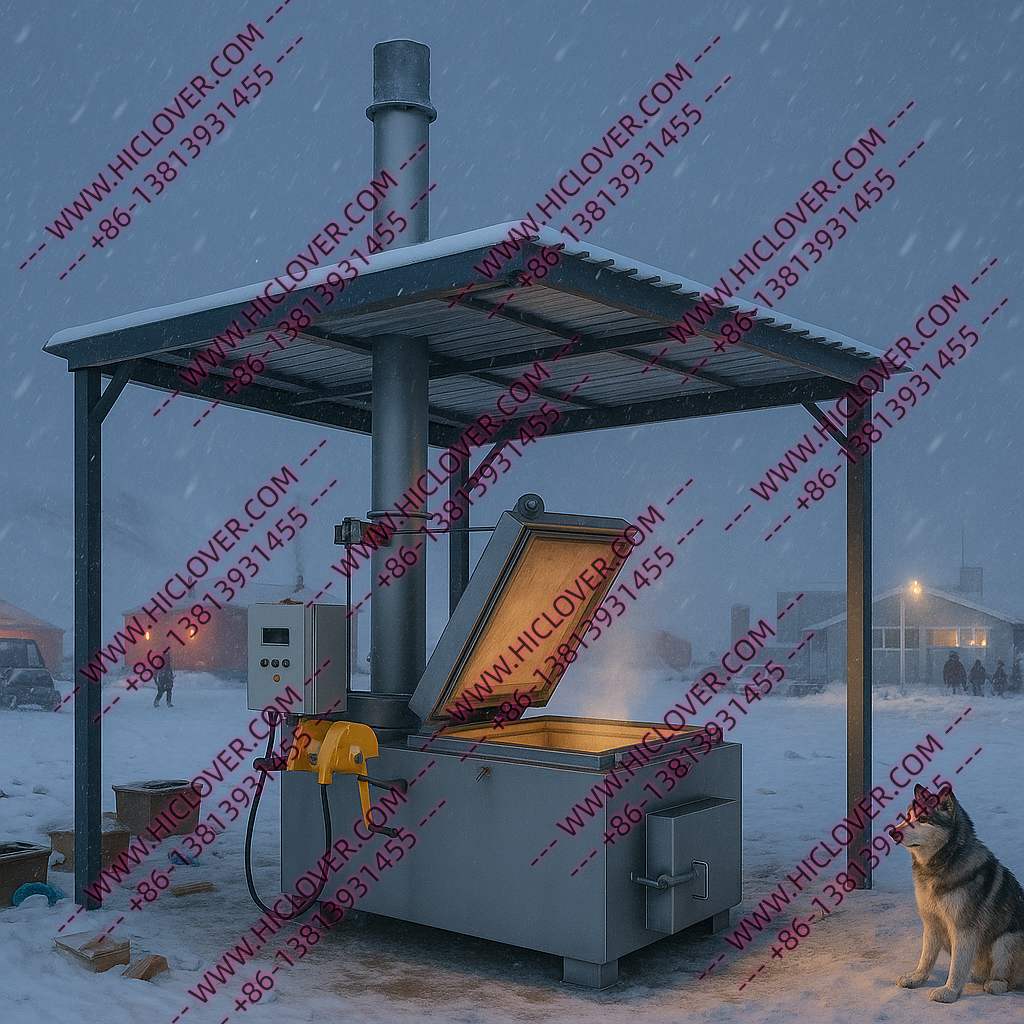
Les HICLOVER TS10, TS20 et TS30 constituent une gamme compacte et robuste d’incinérateurs à chargement supérieur (porte supérieure) spécialement développée pour les installations ayant de faibles volumes de déchets au quotidien. Grâce à leur conception verticale, ces modèles conviennent parfaitement aux cliniques rurales, fermes, laboratoires, équipes mobiles et sites temporaires, où la simplicité, la sécurité et l’efficacité sont essentielles pour traiter les déchets solides légers, les résidus biologiques, les petites carcasses animales et divers déchets non dangereux.


1. Pourquoi le Chargement Supérieur est un Atout Essentiel

L’élément central des modèles TS10 / TS20 / TS30 est la porte supérieure, permettant d’introduire les déchets directement par le dessus de la chambre primaire. Cette configuration offre plusieurs avantages opérationnels :

  • Chargement facilité par la gravité, particulièrement utile pour les déchets légers ou irréguliers

  • Moins de pertes de chaleur lorsque la porte est ouverte

  • Processus de travail simplifié, sans pousser ni compresser les déchets

  • Maniabilité accrue dans les zones étroites ou les sites improvisés

  • Moindre exposition de l’opérateur aux gaz chauds ou aux flammes

Pour les faibles volumes de déchets, le chargement vertical garantit une préparation rapide, des manipulations réduites et une utilisation intuitive, adaptée même aux utilisateurs non spécialisés.


2. Présentation des Modèles TS10, TS20 et TS30

Bien qu’appartenant à la même famille, chaque modèle répond à un besoin de capacité différent. La cohérence d’ingénierie assure une performance stable sur toute la série.

TS10 – Incinérateur Ultra-Compact à Chargement Supérieur

  • Volume de la chambre primaire : environ 110 litres

  • Capacité typique par cycle : 8–10 kg

  • Brûleur : Riello FS10 (diesel, fabrication italienne)

  • Température de la chambre primaire : 800–900°C

  • Température de la chambre secondaire : 1000–1200°C

  • Usage idéal : petites cliniques, mini-laboratoires, unités vétérinaires, solutions mobiles

TS20 – Modèle Standard pour Petites Installations

  • Volume de la chambre primaire : 220 litres

  • Capacité par cycle : 15–20 kg

  • Brûleur : Riello FS10, selon le type de carburant

  • Températures typiques : similaires au TS10, adapté aux cycles continus

  • Usage idéal : cliniques rurales, stations de recherche, petites fermes, camps humanitaires

TS30 – Unité Renforcée à Petite Capacité

  • Volume de la chambre primaire : 330 litres

  • Capacité par cycle : 25–30 kg

  • Brûleur : Riello FS10 (diesel ou gaz)

  • Hauteur de chambre augmentée pour recevoir des charges plus volumineuses

  • Usage idéal : centres de santé régionaux, hôpitaux de campagne, élevages avicoles, communautés isolées

Dans les trois modèles, la porte supérieure permet une introduction directe des déchets comme le papier, les emballages plastiques, les déchets médicaux légers ou les petites carcasses.


3. Fonctionnalités Techniques Essentielles des Incinérateurs HICLOVER

Tous les incinérateurs HICLOVER à chargement supérieur sont conçus sur une base technique solide destinée à un fonctionnement durable :

  • Double chambre de combustion avec post-combustion des gaz

  • Affichage numérique ou PLC pour le contrôle des températures et des brûleurs

  • Briques réfractaires et isolants haute performance

  • Thermocouples pour la surveillance des deux chambres

  • Allumage automatique et contrôle de flamme

  • Compatibilité diesel, LPG ou gaz naturel

  • Cheminées en acier inoxydable, avec option de laveur humide

  • Faible exigence d’installation, idéal pour les déploiements rapides

Ces caractéristiques assurent des cycles de combustion réguliers, des émissions plus propres et un entretien minimal, ce qui est essentiel pour les sites éloignés ou limités en ressources.


4. Options de Déploiement Mobile

Les séries TS10 / TS20 / TS30 sont particulièrement adaptées aux missions mobiles, ce qui en fait un choix privilégié pour les ONG, les opérations d’urgence ou les laboratoires de terrain.

Version sur Remorque

Utilisée par les services vétérinaires, équipes médicales rurales et unités d’inspection.

Incinérateur Mobile en Conteneur

Intégré dans un conteneur 20 pieds, équipé de sorties de cheminée, d’aération, d’éclairage et de réservoirs optionnels. Idéal pour les missions de l’ONU, camps de réfugiés ou sites industriels éloignés.

Montage sur Skid

Facilement déplacé par chariot élévateur au sein d’usines, chantiers miniers, zones agricoles ou de construction.

Unité de Déploiement Rapide

Solution légère, conçue pour les camps médicaux d’urgence, les zones d’épidémie et les laboratoires mobiles.

Le chargement supérieur reste efficace dans toutes ces configurations car l’accès vertical ne dépend pas des conditions du sol.


5. Applications Étendues dans Divers Secteurs

Déchets Médicaux (Petites Structures de Santé)

Gestion des déchets :

  • déchets infectieux, EPI, pansements

  • déchets cliniques légers (coton, papier, petites seringues)

  • flux de déchets typiques des cliniques rurales

Secteur Vétérinaire et Avicole

Chargement facile via la porte supérieure pour :

  • petites carcasses

  • sous-produits avicoles

  • litières ou emballages contaminés

Laboratoires de Recherche

Élimination sécurisée de :

  • échantillons biologiques

  • boîtes de culture

  • papier et emballages contaminés

Camps Humanitaires et Missions de Terrain

Adapté aux besoins des :

  • camps de réfugiés

  • bases de missions ONU

  • équipes médicales mobiles

  • unités d’intervention d’urgence

Usage Commercial et Industriel Léger

Convient aux :

  • ateliers, petites usines

  • hôtels, lodges, éco-hébergements

  • sites isolés nécessitant une élimination quotidienne des déchets légers


6. Pourquoi la Série TS10 / TS20 / TS30 se Distingue

La gamme d’incinérateurs HICLOVER à petite capacité est reconnue pour :

  • son utilisation simple grâce à la porte supérieure

  • ses températures stables de combustion (jusqu’à 1200°C)

  • sa faible consommation de carburant

  • son format compact, adapté en intérieur ou extérieur

  • sa compatibilité élevée avec les solutions mobiles

  • sa construction robuste pour un usage prolongé

Ces atouts font de la série TS10 / TS20 / TS30 un choix idéal pour toute organisation recherchant un incinérateur à chargement supérieur fiable, compact et performant, capable de fonctionner efficacement dans des conditions réelles exigeantes.


Mobile: +86-13813931455(WhatsApp)

Email:     [email protected]     
Email:     [email protected] 


2025-11-24/12:40:41

Incinerator Items/Model

HICLOVER TS100(PLC)


Burn Rate (Average)

100kg/hour

Feed Capacity(Average)

150kg/feeding

Control Mode

PLC Automatic

Intelligent Sensor

Continuously Feeding with Worker Protection

High Temperature Retention(HTR)

Yes (Adjustable)

Intelligent Save Fuel Function

Yes

Primary Combustion Chamber

1200Liters(1.2m3)

Internal Dimensions

120x100x100cm

Secondary Chamber

600L

Smoke Filter Chamber

Yes

Feed Mode

Manual

Burner Type

Italy Brand

Temperature Monitor

Yes

Temperature Thermometer

Corundum Probe Tube, 1400℃Rate.

Temperature Protection

Yes

Automatic Cooling

Yes

Automatic False Alarm

Yes

Automatic Protection Operator(APO)

Yes

Time Setting

Yes

Progress Display Bar

3.7 in” LCD Screen

Oil Tank

200L

Chimney Type

 Stainless Steel 304

1st. Chamber Temperature

800℃–1000℃

2nd. Chamber Temperature

1000℃-1300℃

Residency Time

2.0 Sec.

Gross Weight

7000kg

External Dimensions

270x170x190cm(Incinerator Main Body)

Burner operation

Automatic On/Off

Dry Scrubber

Optional

Wet Scrubber

Optional

Top Loading Door

Optional

Asbestos Mercury Material

None

Heat Heart Technology(HHT)

Optional

Dual Fuel Type(Oil&Gas)

Optional

Dual Control Mode(Manual/Automatic)

Optional

Temperature Record

Optional

Enhanced Temperature Thermometer

Optional

Incinerator Operator PPE Kits

Optional

Backup Spare Parts Kits

Optional

Mobile Type

Optional:Containerized/Trailer/Sledge Optional

Containerized Waste Incineration Units for Oil & Gas Pipeline and Cross-Border Infrastructure Projects

Containerized Waste Incineration Units for Oil & Gas Pipeline and Cross-Border Infrastructure Projects


Oil and gas pipeline construction and cross-border infrastructure projects―spanning regions from Central Asia and the Middle East to East Africa―require long-term, remote operations. Field bases, pipeline laydown yards, and construction camps generate diverse waste types, including protective fabrics, food waste, used gaskets, and paint residues. Managing these wastes safely and efficiently in isolated environments is critical for both environmental compliance and worker safety. The HICLOVER containerized incineration unit provides an ideal solution for on-site waste treatment along pipelines and construction corridors.


Waste Management Challenges in Pipeline and Infrastructure Operations

Oil and gas contractors often operate across hundreds of kilometers of terrain―deserts, forests, or mountainous regions―where no centralized disposal system exists. Waste from workshops, kitchens, and coating areas includes organic, oily, and chemical residues that cannot be left untreated. Improper disposal risks contaminating soil and groundwater or violating environmental standards enforced by host countries.

In areas such as Kazakhstan, Saudi Arabia, and Tanzania, infrastructure projects backed by international financing now require contractors to implement on-site waste treatment systems. The HICLOVER containerized incinerator addresses these needs with mobility, compact design, and low maintenance, allowing easy relocation as the project advances.


Features of the HICLOVER Containerized Incineration System

Each HICLOVER mobile incinerator is housed inside a standard ISO container for protection, transport, and rapid setup. Units are fully preassembled, requiring only fuel and electrical connection before operation.

Key features include:

  • Primary combustion chamber: 850C950 °C for solid and organic waste.

  • Secondary chamber: ≥1100 °C with ≥2 s retention for complete oxidation.

  • PLC automatic control for temperature monitoring and system safety.

  • Diesel, LPG, or natural gas burners with adjustable output for energy efficiency.

  • Containerized enclosure with thermal insulation and anti-corrosion coating.

  • Optional dry or wet scrubber module for emission control.

  • Compact footprint ideal for pipeline camps and remote construction bases.

The system meets GB 18484-2020, WHO, and EU IED equivalent environmental standards.


Applications in Oil & Gas and Infrastructure Projects

The HICLOVER containerized system supports waste treatment in:

  • Pipeline construction camps and compressor station maintenance bases.

  • Oilfield drilling and pipeline welding areas.

  • Cross-border highway and bridge projects.

  • Remote engineering camps without municipal waste systems.

In Uganda’s oil corridor, Pakistan’s gas infrastructure sites, or Ethiopia’s highway projects, containerized incineration systems provide self-sufficient waste management that adapts as construction progresses.


Environmental and Operational Benefits

  • Rapid installation and relocation as project phases shift.

  • Reduced logistics―no waste transport to external facilities.

  • Safe treatment of mixed materials including organic, oily, and plastic waste.

  • Low emission output via integrated filtration options.

  • Durable container design resistant to harsh weather and dust.

These features make the HICLOVER system a strategic asset for EPC contractors and project operators aiming to meet international environmental performance standards.


HICLOVER: Reliable Partner for Mobile Environmental Solutions

With global experience in containerized incineration technology, HICLOVER provides systems trusted for field operations in energy, infrastructure, and humanitarian sectors. Its modular, preassembled design simplifies logistics while ensuring long-term reliability.

Explore more at:
www.hiclover.com | Containerized Incinerator Units | Oilfield Waste Solutions | CloverFilter Air Filtration Systems | Contact HICLOVER


Keywords: containerized incinerator, oil and gas pipeline waste disposal, mobile incineration unit, field camp waste management, cross-border construction waste treatment, HICLOVER environmental technology.

Mobile: +86-13813931455(WhatsApp)

Email:     [email protected]     
Email:     [email protected] 


2025-11-05/08:41:39

Incinerator Items/Model

HICLOVER TS100(PLC)


Burn Rate (Average)

100kg/hour

Feed Capacity(Average)

150kg/feeding

Control Mode

PLC Automatic

Intelligent Sensor

Continuously Feeding with Worker Protection

High Temperature Retention(HTR)

Yes (Adjustable)

Intelligent Save Fuel Function

Yes

Primary Combustion Chamber

1200Liters(1.2m3)

Internal Dimensions

120x100x100cm

Secondary Chamber

600L

Smoke Filter Chamber

Yes

Feed Mode

Manual

Burner Type

Italy Brand

Temperature Monitor

Yes

Temperature Thermometer

Corundum Probe Tube, 1400℃Rate.

Temperature Protection

Yes

Automatic Cooling

Yes

Automatic False Alarm

Yes

Automatic Protection Operator(APO)

Yes

Time Setting

Yes

Progress Display Bar

3.7 in” LCD Screen

Oil Tank

200L

Chimney Type

 Stainless Steel 304

1st. Chamber Temperature

800℃–1000℃

2nd. Chamber Temperature

1000℃-1300℃

Residency Time

2.0 Sec.

Gross Weight

7000kg

External Dimensions

270x170x190cm(Incinerator Main Body)

Burner operation

Automatic On/Off

Dry Scrubber

Optional

Wet Scrubber

Optional

Top Loading Door

Optional

Asbestos Mercury Material

None

Heat Heart Technology(HHT)

Optional

Dual Fuel Type(Oil&Gas)

Optional

Dual Control Mode(Manual/Automatic)

Optional

Temperature Record

Optional

Enhanced Temperature Thermometer

Optional

Incinerator Operator PPE Kits

Optional

Backup Spare Parts Kits

Optional

Mobile Type

Optional:Containerized/Trailer/Sledge Optional

Efficient Waste Incineration Solutions for Oil and Gas Exploration and Refining Sites

Efficient Waste Incineration Solutions for Oil and Gas Exploration and Refining Sites


The oil and gas industry—covering exploration fields, drilling camps, and large-scale refining facilities—faces continuous challenges in managing mixed and hazardous waste streams. From remote desert oil fields to offshore floating production storage and offloading units (FPSOs), environmental compliance and on-site waste reduction are essential for sustainable operations.

Realistic Operating Environments

Oilfield drilling and production activities often take place in harsh, isolated conditions such as the deserts of the Middle East, the savannah zones of Africa, or offshore facilities in Southeast Asia. In these environments, logistics and waste collection are difficult, while strict environmental standards still apply. Camps and processing areas produce a variety of waste types every day—ranging from oily rags and drilling mud residues to packaging plastics, used filters, and domestic refuse from crew quarters.

Challenges in Waste Management

Conventional disposal methods like open burning or temporary storage create serious pollution risks, including the release of toxic fumes and contamination of soil and water. Refineries and production platforms also deal with oily residues and hydrocarbon-contaminated materials that require complete thermal treatment. A robust, self-contained solution is therefore critical for compliance and operational safety.

HICLOVER Containerized Incineration Systems

For oil and gas operations, HICLOVER containerized dual-chamber incinerators offer a practical and efficient solution. Designed for rapid deployment, these units combine a primary combustion chamber for solid and hydrocarbon waste and a secondary chamber that ensures complete thermal oxidation of exhaust gases. The system can include an optional acid–alkali neutralization tower and wet scrubber to reduce SO₂, NOₓ, and particulate emissions, meeting international environmental standards.

The compact containerized structure allows easy transport and installation across multiple field locations—ideal for drilling camps, refinery maintenance bases, or FPSO vessels where space and mobility are key. Each unit operates with a diesel, LPG, or natural gas burner, controlled automatically by a PLC system for stable temperature regulation up to 1100 °C in the secondary chamber.

Environmental and Operational Benefits

  • On-site autonomy: No need for municipal waste collection or external contractors.

  • High efficiency: Dual-chamber combustion ensures complete burning with low ash residue.

  • Emission control: Optional wet scrubber and neutralization system achieve clean flue gas discharge.

  • Mobility: Modular, container-based design allows relocation between oil blocks or offshore platforms.

  • Safety and compliance: Meets WHO and international oilfield environmental management guidelines.

Global Relevance

Oilfield and refinery projects in regions such as the Arabian Peninsula, North Africa, and Central Asia increasingly require reliable waste treatment systems that can operate independently in remote or high-temperature conditions. HICLOVER’s containerized incinerators are engineered for these exact challenges—delivering sustainable, controlled, and compliant waste disposal for both exploration and refining operations.

For oil and gas operators seeking efficient on-site waste management, HICLOVER systems represent a proven and scalable choice, combining industrial durability with environmental responsibility across the global energy sector.

Mobile: +86-13813931455(WhatsApp)

Email:     [email protected]     
Email:     [email protected] 


2025-11-01/18:44:59

Medical Waste Incinerators in Kenya: Containerized Solutions for Hospitals, Camps, and Donor Projects

Medical Waste Incinerators in Kenya: Containerized Solutions for Hospitals, Camps, and Donor Projects

Medical Waste Challenges in Kenya County Hospitals

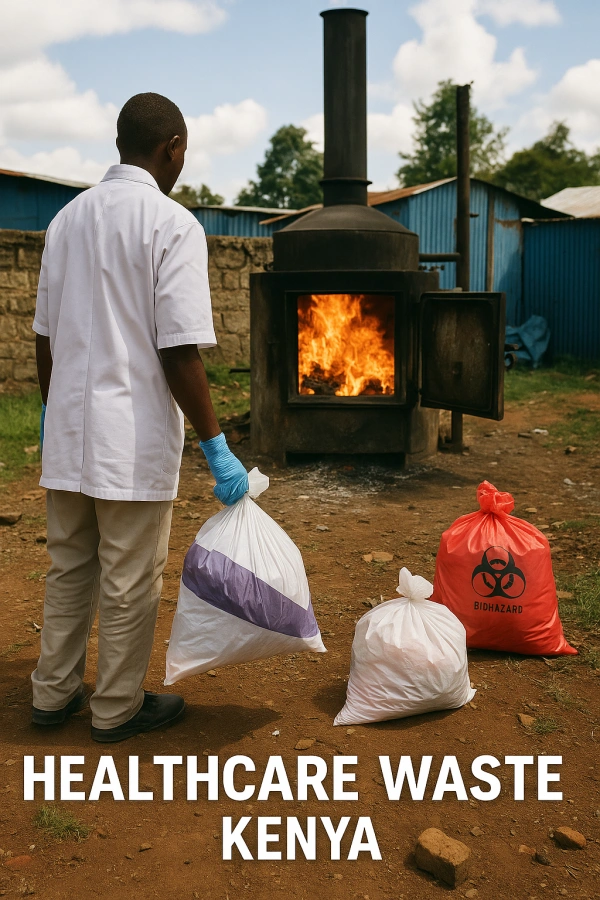
Across Kenya’s healthcare system, medical waste incinerators for county hospitals are becoming increasingly essential. Growing populations in Nairobi, Kisumu, and Mombasa have led to higher volumes of hazardous waste such as syringes, infusion bags, and contaminated plastics. To comply with NEMA regulations and international donor requirements, hospitals require incinerators that guarantee high-temperature destruction, low emissions, and easy maintenance.

Containerized Incinerators for Mining and Energy Camps

Kenya’s expanding mining and energy camps in Turkana, Kitui, and coastal regions also generate large amounts of biomedical and general waste. Transporting this waste to centralized facilities is impractical and costly. For this reason, many projects are adopting containerized incinerators for Kenya mining and energy camps, which can be delivered pre-installed in 20ft or 40ft ISO containers. These mobile systems provide immediate waste destruction capacity on-site, reducing environmental risks and ensuring compliance with local and international standards.

Wet Scrubber Equipped Incinerators for Donor-Funded Projects

International organizations such as WHO, UNDP, and the World Bank often fund projects in Kenya that require strict adherence to global emission standards. In these cases, wet scrubber equipped incinerators for Kenya donor-funded projects are the preferred solution. Wet scrubbers neutralize acid gases like HCl and SO₂, minimize smoke, and protect surrounding communities from harmful pollutants. HICLOVER offers scalable emission control packages, including:

  • Basic wet scrubber systems with spray towers and ID fans.

  • Secondary washing scrubbers with cooling and defogging functions.

  • Advanced multi-stage systems with quench towers, activated carbon dosing, and baghouse filters for maximum compliance.

HICLOVER TS300: A Robust Choice for Kenya

The HICLOVER TS300 incinerator is designed for high-volume waste streams in hospitals and industrial camps:

  • Capacity: 250–300 kg/hour burn rate.

  • Primary Chamber: 2,800 liters with reinforced refractory lining.

  • Secondary Chamber: ≥1100°C with ≥2-second retention time.

  • PLC Automation: Fully automated ignition, burner control, and temperature monitoring with safety interlocks.

  • Containerized Deployment: Ready-to-use mobile unit for rural hospitals, mining operations, and refugee camps.

  • Optional Ash Removal System: Improves operator safety and efficiency in high-throughput environments.

Applications Across Kenya and East Africa

  • County Hospitals: On-site waste destruction ensures compliance with NEMA standards and WHO guidelines.

  • Refugee Camps: Mobile units provide reliable waste management for humanitarian operations in Kakuma and Dadaab.

  • Mining and Energy Camps: Containerized systems offer sustainable solutions for industrial projects far from urban centers.

  • Donor-Funded Clinics: Wet scrubber-equipped models meet the strictest environmental requirements for international aid projects.

Conclusion

From medical waste incinerators in Kenya county hospitals to containerized solutions for mining and energy camps, and wet scrubber-equipped incinerators for donor-funded projects, HICLOVER provides reliable, mobile, and environmentally compliant technology. With models like the TS300, Kenya’s healthcare and industrial sectors can achieve safe, sustainable, and cost-effective waste management.

For technical specifications and procurement support:
www.hiclover.com
[email protected]


Mobile: +86-13813931455(WhatsApp)

Email:     [email protected]     
Email:     [email protected] 


2025-09-24/09:06:12

Building a Safer Future for Immunization Waste in Afghanistan with HICLOVER Solutions

Building a Safer Future for Immunization Waste in Afghanistan with HICLOVER Solutions

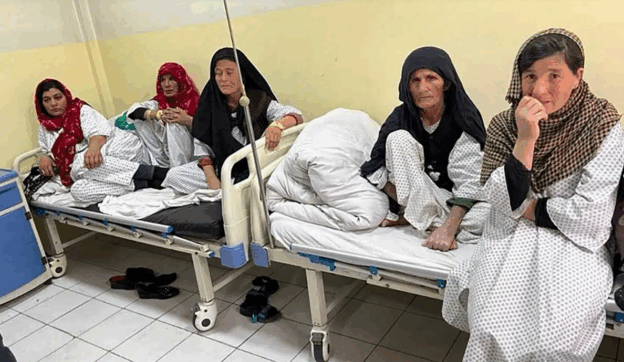
Healthcare Waste: A Critical Gap in Afghanistan

Afghanistan’s immunization programs are a lifeline for millions of families in remote and underserved provinces. Yet, every successful vaccination campaign produces its own challenge: piles of sharps, glass vials, and contaminated packaging. Without proper treatment systems, these materials often end up in open pits or low-temperature burners, exposing both health workers and communities to infection and toxic emissions.

Recent assessments have shown that fewer than half of health facilities have access to waste management guidelines, and only a fraction consistently return immunization waste to designated disposal sites. The result is a pressing need for standardized, sustainable equipment that can be deployed at regional hubs and trusted by frontline workers.


Introducing the HICLOVER TS50 PLC

The HICLOVER TS50 PLC incinerator was engineered to meet precisely these challenges. Compact enough to fit within the proposed 2.5 × 4 m installation rooms, it offers a reliable throughput of up to 50 kg per hour—the right balance for handling immunization waste streams from multiple facilities.

Notable Features

  • Dual-Chamber Combustion: Primary chamber destroys solids, while the secondary chamber holds gases at ≥1100°C for two seconds, neutralizing pathogens and minimizing emissions.

  • PLC Automation: Operators can monitor temperatures, alarms, and cycle times from a digital interface, reducing risks of human error.

  • Safety by Design: Doors are sealed with refractory materials, fuel lines are protected by flame arrestors and shut-off valves, and the system includes diesel leak detection for added protection.

  • Durability: Refractory lining with 65% Al₂O₃ resists continuous high heat, extending service life under harsh conditions.


Safeguarding the Workforce

HICLOVER understands that technology alone is not enough; the people running these systems must be protected. That’s why every unit is delivered with:

  • Three complete PPE kits (heat-resistant aprons, gloves, and boots).

  • Two years of spare parts, ensuring uninterrupted operation even in difficult-to-access provinces.

  • Training modules designed to enable local personnel to operate and maintain the units independently.


A Scalable Model for NEPI and Beyond

By deploying these incinerators at the regional Expanded Program for Immunization sites in Kandahar, Nangarhar, Herat, Balkh, and Paktya, Afghanistan is taking a decisive step toward eliminating unsafe practices like open burning. Each site can handle up to 400 safety boxes and 1,000 vials daily, setting a precedent for modern waste management across the country.

The HICLOVER TS50 PLC is more than a machine—it is a bridge between urgent public health needs and long-term environmental responsibility. Its success in Afghanistan can serve as a scalable model for other regions of South and Central Asia facing similar challenges.


afghanistan immunization waste incinerator project
HICLOVER TS50 PLC medical waste disposal
dual chamber diesel incinerator for vaccination waste
incinerator with flame arrestors and PPE package afghanistan
regional healthcare incinerator solution NEPI Afghanistan
spare parts package incinerator kandahar nangarhar balkh herat paktya


Contact

For more information on HICLOVER medical waste incinerators and customized solutions for healthcare and humanitarian projects:


Mobile: +86-13813931455(WhatsApp)

Email:     [email protected]     
Email:     [email protected] 


2025-09-06/18:46:27

Waste Incineration Solutions for the Maldives Hospitality Industry

Waste Incineration Solutions for the Maldives Hospitality Industry

The Maldives, known worldwide for its pristine beaches, luxury resorts, and thriving tourism sector, faces a growing challenge: sustainable waste management. As an island nation with limited land resources, the disposal of solid waste from hotels, resorts, and local communities is a pressing issue. Traditional landfilling is not feasible due to scarce land and environmental sensitivity, making modern incineration systems the most practical and environmentally compliant solution.

Waste Challenges in the Maldives

Tourism generates a significant volume of daily waste, particularly in resort islands where international visitors demand high standards of cleanliness and safety. Common waste streams include:

  • Food waste and organic matter from hotels and restaurants.

  • Plastics, packaging, and paper from guest facilities.

  • General municipal waste generated by staff housing and local communities.

With landfill space limited and transportation between islands costly, hotels and regional councils are seeking on-site waste treatment systems that are compact, efficient, and environmentally safe.

Why Incineration is the Right Choice

Incineration offers direct and complete destruction of mixed solid waste, reducing volume by up to 95% and converting residuals into sterile ash. Unlike landfill or composting, incineration ensures the safe treatment of plastics, contaminated packaging, and potentially hazardous waste generated in tourist zones.

Key benefits include:

  • Volume Reduction: Maximizes land savings on small islands.

  • Hygiene Control: Prevents odors, pests, and contamination in resorts.

  • Sustainability: Modern dual-chamber incinerators meet international environmental standards.

HICLOVER Incinerators for Island Resorts

HICLOVER specializes in containerized and mobile waste incinerators designed for challenging environments like the Maldives. Recommended models for the hospitality sector include:

  • TS50 PLC and TS100 PLC: Compact models with 50–100 kg/hour capacity, ideal for resorts and small island councils.

  • Containerized Systems: Fully enclosed in ISO containers, easy to transport between islands, and protected against coastal weather.

  • Dual-Chamber High-Temperature Design: Primary chamber at 850–1000°C and secondary chamber at 1100–1300°C with 2-second gas retention, ensuring compliance with WHO and EU standards.

Each system is lined with high alumina refractory bricks (65% Al₂O₃) for durability and equipped with optional wet scrubbers or dry scrubbers for emission control. This makes HICLOVER solutions well-suited for both resorts prioritizing eco-certification and government-backed waste management programs.

Supporting Sustainable Tourism in the Maldives

By implementing HICLOVER incineration systems, resorts and local councils in the Maldives can:

  • Achieve international sustainability certifications.

  • Enhance their reputation among eco-conscious travelers.

  • Protect fragile marine ecosystems by preventing waste leakage.

Learn More

HICLOVER continues to support island nations with tailored waste treatment solutions. For more details on incinerator options for the Maldives, visit:


Mobile: +86-13813931455(WhatsApp)

Email:     [email protected]     
Email:     [email protected] 


2025-09-02/09:37:09

Waste Management in Fiji: Current Status and Challenges

Waste Management in Fiji: Current Status and Challenges

Fiji, an island nation in the South Pacific with a population of around 900,000, faces unique challenges in waste management due to its geography, limited land area, and dispersed communities across more than 300 islands. Solid waste generation has increased in recent years, driven by urbanization, tourism, and economic growth.

Currently, the waste management system in Fiji relies heavily on:

  • Landfills: The main facility, Naboro Landfill (near Suva), handles the majority of municipal solid waste. Smaller islands have basic dumping sites, which often do not meet international sanitary standards.

  • Community collection points and transfer stations: These are common in urban and peri-urban areas but less organized in rural and outer islands.

  • Recycling: Recycling activities remain limited, mainly focusing on aluminum cans, PET bottles, and cardboard, with private companies and informal collectors playing important roles.

Key challenges include:

  • Limited capacity and funding for modern waste treatment infrastructure.

  • Illegal dumping and open burning, particularly in rural and informal settlements.

  • Vulnerability to extreme weather events, which can damage waste infrastructure and spread pollution.


Medical Waste Management and Incinerators

In the healthcare sector, medical waste incineration remains the primary method of treating infectious and hazardous waste.

Current situation:

  • Most large hospitals, such as Colonial War Memorial Hospital in Suva, Lautoka Hospital, and Labasa Hospital, use small- to medium-capacity medical waste incinerators.

  • Smaller clinics and health centers often lack dedicated on-site treatment and may transport waste to larger facilities.

  • Incinerators in Fiji are typically diesel-fueled, batch-type units designed to handle waste capacities from 10–50 kg/hour.

  • There have been reports of older incinerators operating below ideal combustion temperatures, leading to incomplete combustion and potentially harmful emissions.

Challenges:

  • Some rural health centers still resort to open burning or burial of infectious waste due to the lack of equipment.

  • Maintenance and spare parts for incinerators can be difficult to obtain.

  • There is increasing concern about air pollution and emissions standards, as public awareness of environmental health risks grows.


Future Policy and Planning

The Fijian government, through the Ministry of Environment and Ministry of Health and Medical Services, has been working on modernizing waste management, including medical waste. Key directions include:

National Solid Waste Management Strategy (draft updates):

  • Focus on reducing landfilling and promoting waste minimization.

  • Introduce stricter monitoring of hazardous and healthcare waste.

Plans for healthcare waste:

  • Gradual replacement of old incinerators with new, cleaner-burning models that meet international emissions standards.

  • Explore alternative technologies (e.g., autoclaves or microwave treatment) where feasible.

  • Strengthen training for healthcare staff in waste segregation and handling.

Broader environmental policy:

  • Strengthen enforcement of environmental regulations.

  • Enhance cooperation with development partners and donors (e.g., UNDP, JICA, EU) for technical assistance and funding.

  • Improve data collection and national reporting on hazardous waste.

While Fiji still relies on small- to medium-scale medical waste incinerators, there is a clear policy push toward modernizing waste treatment, reducing environmental impacts, and investing in new technologies. These efforts are part of Fiji’s broader vision to protect public health and its fragile island ecosystems.

Mobile: +86-13813931455(WhatsApp)

Email:     [email protected]     
Email:     [email protected]

Medical Waste Disposal in Kenya’s Loitokitok Sub-County Hospital

Medical Waste Incinerator with Gas Scrubber Installed at Loitokitok Sub-County Hospital, Kenya | HICLOVER Leads Healthcare Waste Solutions in East Africa


HICLOVER Incinerators Empowering Safe Medical Waste Disposal in Kenya’s Loitokitok Sub-County Hospital


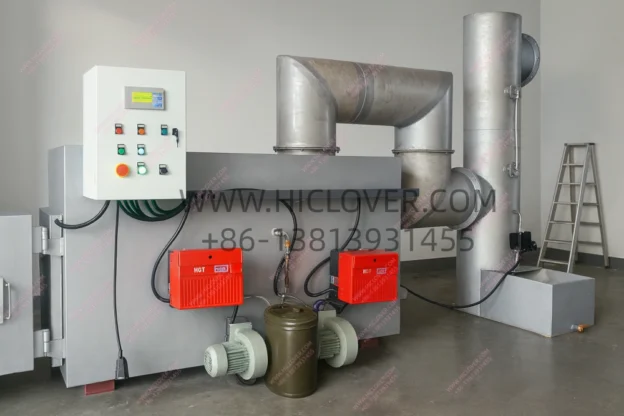
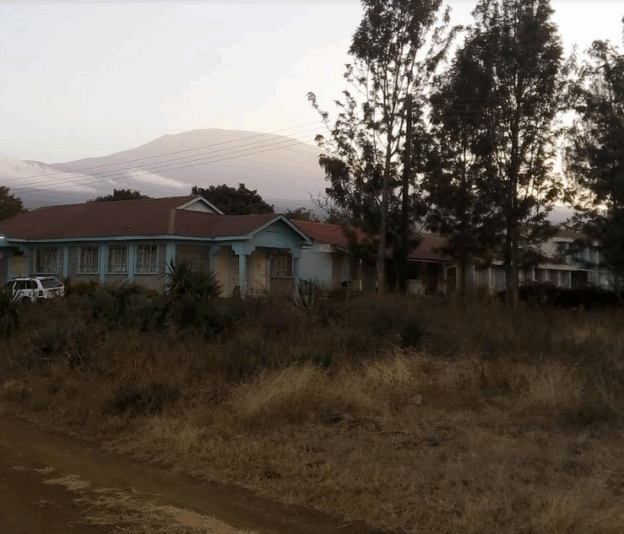
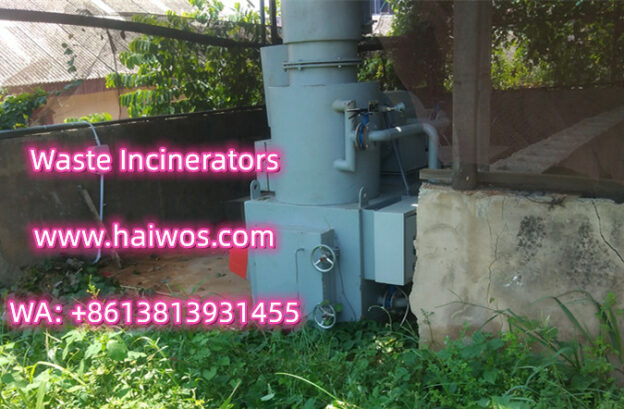
Loitokitok Sub-County Hospital, located near the KenyaCTanzania border in Kajiado County, has officially adopted a state-of-the-art medical waste incinerator supplied by HICLOVER, a leading global manufacturer of waste incineration systems. This advanced incinerator model offers a 50 kg/hour waste processing capacity and is equipped with an integrated wet gas scrubber system, ensuring environmentally safe and compliant disposal of hazardous hospital waste.

In response to increasing concerns about medical waste accumulation in rural and border-region hospitals, Loitokitok Hospital has taken a decisive step to enhance healthcare safety and public sanitation. The installation of the HICLOVER TS50 PLC model not only meets the Kenyan environmental and health compliance standards, but also supports sustainable waste management practices in underserved medical facilities.

Why Loitokitok Sub-County Hospital Chose HICLOVER

  • Burn Rate: 50 kg/hour, ideal for medium-sized healthcare facilities in sub-Saharan Africa.

  • Advanced Air Pollution Control: Equipped with a scrubber spray tower, neutralizing toxic gases and reducing particulate emissions.

  • Durable Build: Built for rugged terrains and remote regions like southern Kenya and Maasai communities.

  • PLC Control: Automated operation for improved safety and ease of use.

  • Energy-Efficient: Optimized combustion chamber design reduces fuel consumption.

“We chose HICLOVER due to their proven track record across Africa and their commitment to environmental sustainability. The incinerator’s dual-chamber combustion and gas scrubbing system make it perfect for our hospital’s daily waste load,” said a representative from Loitokitok Sub-County Hospital.

Serving the Needs of Kenya’s Decentralized Healthcare System

Kenya’s decentralized healthcare model puts pressure on county-level hospitals to manage biomedical waste independently. The Kajiado County medical facilities, including Loitokitok and neighboring health centers, now benefit from a cost-effective, low-maintenance incineration system that meets World Health Organization (WHO) guidelines.

HICLOVER’s installations span multiple regions in East Africa, including Kenya, Uganda, Tanzania, and Rwanda―supporting both rural and urban hospitals with models ranging from small-scale 10 kg/hr incinerators to large-capacity 300 kg/hr systems for regional medical centers.

Ideal for Rural and Border Hospitals in Africa

  • Suitable Applications: Medical clinics, maternity wards, rural hospitals, veterinary centers

  • Target Countries: Kenya, Ethiopia, Uganda, Zambia, South Sudan

  • Target Institutions: Ministry of Health Kenya, county governments, Red Cross, UNHCR camps

HICLOVER’s incinerator systems are also widely adopted in NGO-funded projects, humanitarian relief missions, and healthcare outreach programs across Africa. The containerized options, solar-assisted models, and pollution control customizations make them a versatile choice for hospitals near wildlife zones or national parks where environmental conservation is critical.

About HICLOVER

HICLOVER (www.hiclover.com) specializes in the manufacturing and global export of medical waste incinerators, animal cremation units, and mobile containerized incineration systems. With over 15 years of industry expertise and successful deployments in over 80 countries, HICLOVER is recognized for turnkey waste treatment solutions tailored to remote healthcare facilities, refugee camps, and developing country infrastructures.

Contact HICLOVER Today:

 Email: [email protected]

 Website: www.hiclover.com

 Worldwide Shipping | Installation Support | Custom Documentation


  • medical waste incinerator in Kenya

  • Loitokitok Sub-County Hospital incinerator

  • 50kg/hour hospital waste incinerator for Africa

  • wet scrubber system for incinerators

  • medical waste disposal solution East Africa

  • Kenya hospital incinerator with air pollution control

  • HICLOVER incinerator Kenya installation

  • healthcare incineration system with gas scrubber

  • rural hospital waste treatment in Kenya


Kichwa: Kituo cha Afya cha Loitokitok Sub-County Nchini Kenya Chasakinisha Kichomea Taka za Hospitali kutoka HICLOVER Chenye Uwezo wa Kuchoma Kilo 50 kwa Saa na Mfumo wa Kusafisha Moshi


HICLOVER Yawezesha Utupaji Salama wa Taka za Hospitali Katika Kituo cha Afya cha Loitokitok Sub-County, Kenya


Hospitali ya Loitokitok Sub-County, iliyoko karibu na mpaka wa Kenya na Tanzania katika Kaunti ya Kajiado, imesakinisha rasmi kichomea taka za hospitali cha kisasa kilichotengenezwa na HICLOVER, mtengenezaji maarufu wa mifumo ya uchomaji taka duniani. Kifaa hiki kina uwezo wa kuchoma kilo 50 kwa saa na kimeunganishwa na mfumo wa kusafisha gesi chafu kwa njia ya kunyunyiza maji (wet scrubber), kuhakikisha utunzaji wa mazingira na afya ya jamii kwa viwango vya kimataifa.

Kwa kuzingatia ongezeko la taka hatarishi za hospitali hasa katika hospitali za vijijini na maeneo ya mipakani, Hospitali ya Loitokitok imechukua hatua madhubuti kuboresha usalama wa afya na usafi wa mazingira. Usakinishaji wa kifaa cha mfano TS50 PLC kutoka HICLOVER si tu kwamba kinazingatia viwango vya NEMA na Wizara ya Afya Kenya, bali pia kinaunga mkono juhudi za utunzaji wa mazingira kwa njia endelevu.

Kwa Nini Loitokitok Walichagua Kichomea Taka cha HICLOVER?

  • Kiwango cha Kuchoma: Kilo 50 kwa saa C kinatosha kwa hospitali za ukubwa wa kati barani Afrika.

  • Udhibiti wa Moshi: Kikiwa na mfumo wa kusafisha gesi chafu kwa kunyunyiza maji, huzuia utoaji wa gesi zenye sumu.

  • Muundo Imara: Inafaa kwa mazingira ya milimani na maeneo ya mbali kama kusini mwa Kenya.

  • Udhibiti wa Kiotomatiki (PLC): Uendeshaji salama na rahisi kwa watumishi wa afya.

  • Matumizi Bora ya Mafuta: Muundo wa kipekee wa chumba cha mwako hupunguza matumizi ya mafuta.

“Tulimchagua HICLOVER kwa sababu ya uzoefu wao barani Afrika na teknolojia yao ya kisasa ya kulinda mazingira. Mfumo wa kuchoma wenye vyumba viwili na mfumo wa kusafisha moshi unafaa kabisa kwa mizigo yetu ya kila siku ya taka za hospitali,” alisema mwakilishi kutoka Hospitali ya Loitokitok.

Kusaidia Mfumo wa Afya Uliogatuliwa Nchini Kenya

Katika mfumo wa afya wa ugatuzi, hospitali za kaunti zinawajibika moja kwa moja kwa usimamizi wa taka za matibabu. Kwa kuwepo kwa kichomea hiki, Kaunti ya Kajiado pamoja na vituo vingine vya afya vya jirani hupata suluhisho la gharama nafuu na rahisi kutumia kwa usimamizi wa taka za hospitali, sambamba na miongozo ya Shirika la Afya Duniani (WHO).

HICLOVER tayari imesakinisha mifumo yake katika maeneo mbalimbali ya Afrika Mashariki, ikiwemo Kenya, Uganda, Tanzania, na Rwanda ― ikiwawezesha hospitali zote, kutoka vijijini hadi mijini, kwa kutumia vifaa vyenye uwezo tofauti wa kuchoma kutoka 10 kg/saa hadi 300 kg/saa.

Inafaa kwa Hospitali za Vijijini na Mipakani

  • Matumizi Yanayofaa: Kliniki, wodi za akina mama, hospitali ndogo, vituo vya mifugo

  • Nchi Zinazolengwa: Kenya, Uganda, Ethiopia, Zambia, Sudan Kusini

  • Wadau Wakuu: Wizara ya Afya Kenya, Serikali za Kaunti, Red Cross, UNHCR

HICLOVER pia imetumika sana katika miradi inayofadhiliwa na mashirika ya misaada kama WHO, UNDP, World Bank, na NGOs nyingine, ikiwa ni pamoja na vituo vya afya vya wakimbizi na maeneo yaliyoathirika na migogoro. Mifano ya kuchomea inayobebeka kwenye kontena na inayoweza kutumia nishati ya jua ni suluhisho linalopendelewa katika maeneo nyeti ya ikolojia kama vile karibu na hifadhi za taifa.

Kuhusu HICLOVER

HICLOVER (www.hiclover.com) ni mtengenezaji wa kimataifa wa vichomea taka za hospitali, mifumo ya kuchoma mizoga ya mifugo na wanyama wa kipenzi, na vichomea taka vya kubebeka kwenye kontena. Kwa zaidi ya miaka 15 ya uzoefu na usakinishaji katika zaidi ya nchi 80, HICLOVER imejizolea sifa kwa ufumbuzi wa kitaalamu wa kuchoma taka unaoendana na mahitaji ya miundombinu ya afya katika nchi zinazoendelea.

Wasiliana na HICLOVER Leo:

Barua Pepe: [email protected]
Tovuti: www.hiclover.com
 Usafirishaji wa Kimataifa | Usaidizi wa Usakinishaji | Nyaraka Kamili za Forodha


Maneno Muhimu kwa SEO (Long-Tail Keywords) katika Kiswahili:

  • kichomea taka za hospitali Kenya

  • kifaa cha kuchoma taka Loitokitok Sub-County

  • mfumo wa kuchoma taka kilo 50 kwa saa

  • mfumo wa kusafisha gesi chafu katika vichomea

  • usimamizi wa taka za hospitali Afrika Mashariki

  • vifaa vya kuteketeza taka hatari kwa hospitali Kenya

  • HICLOVER Kenya vichomea taka

  • vichomea taka vya hospitali vijijini Kenya

  • suluhisho la taka za hospitali kwa kaunti za Kenya


Mobile: +86-13813931455(WhatsApp)

Email:     [email protected]     
Email:     [email protected]

Waste incineration

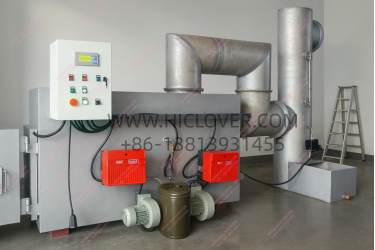
Nanjing Clover Medical Technology Co., Ltd.  is a leading waste incinerator manufacturer in China. All series included burning capacity 10kgs per hour, 30kgs per hour,50kgs per hour,100kgs per hour,150kgs per hour,300kgs per hour,500kgs per hour. Up to now, all models sale to all over the world and have good feedback from end-customer. The YD Model medical incinerator have multi-combustion chamber and basic dry scrubber (smoke filter chamber) with reasonable project budget. For the cleaner emission require, we accept custom made wet scrubber for incinerator and this will be also our next working by focusing on emission technical.waste incinerator for sale
Waste incineration is one of the main pillars of waste management. The thermal treatment renders the waste inert and sanitises it (pollutant sink). Waste incineration also offers the possibility of generating electricity and heat. A large share of the inert slag remaining after incineration can be recovered following treatment that includes separation of metals, removal of impurities and ageing.medical waste incinerator
Regular model incinerator for market with burning rate from 10kgs to 500kgs per hour and we always proposal customer send us their require details, like waste material, local site fuel and power supply, incinerator operation time, etc, so we can proposal right model or custom made with different structure or dimensions.
Waste incineration is simply the burning of garbage. The incineration process, often described in the industry as thermal treatment, uses special incinerators that burn waste materials to ash, heat, and flue gas (i.e., gas exiting from a flue, such as a chimney, to the surrounding air).