Nanjing Clover Medical Technology Co.,Ltd.

HICLOVER, Nanjing Clover Medical Technology Co.,Ltd, supply system solutions for medical environmental protection, animal and pet cremation engineering, other municipal solid waste incineration project.

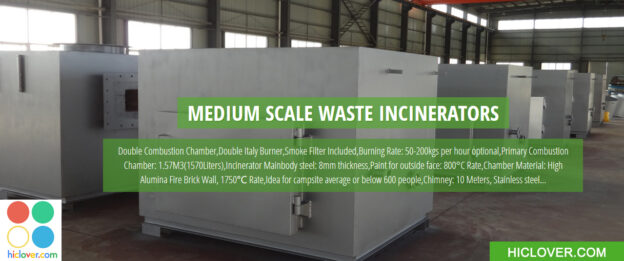
We supply single combustion chamber, double combustion chambers, three combustion chambers and multi-combustion chambers waste incinerators for laboratory, clinic, hospital, medical center, hygiene clinical waste destruction with medical disposable, biological waste, medical plastic waste, hazardous waste, red bag waste, needle disposal, gauze and bandages, sealed sharp containers, pathological waste, trace-chemotherapeutic wastes, etc.
Our range of incinerators cater for small to large scale animal cremation related businesses, such as poultry farms, cattle farms, sheep farms, pig farms, stables, kennels, testing laboratory, catteries, pet crematoriums.

The incinerator burn waste in primary combustion chamber and burn the smoke from primary combustion chamber again to make sure environmentally friendly with no black smoke, smelless, reduce pathogenic bacteria infection.
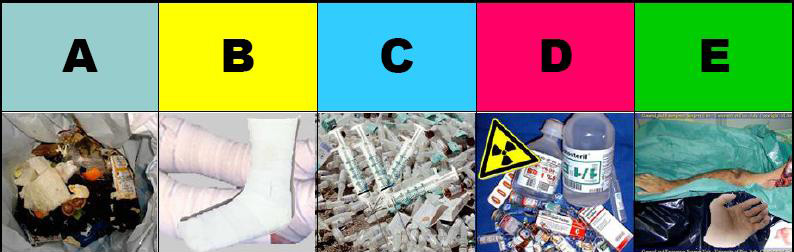
System solutions for medical waste environmental, including waste incineration, smoke emission treatment, high-temperature sterilization, ultraviolet sterilization lamp, waste shredder, needle destroyer, medical waste package, sharp containers, etc.

The pet cremation equipment humanized design with movable platform, small space covers for modern pet cremation business owner all over the world.

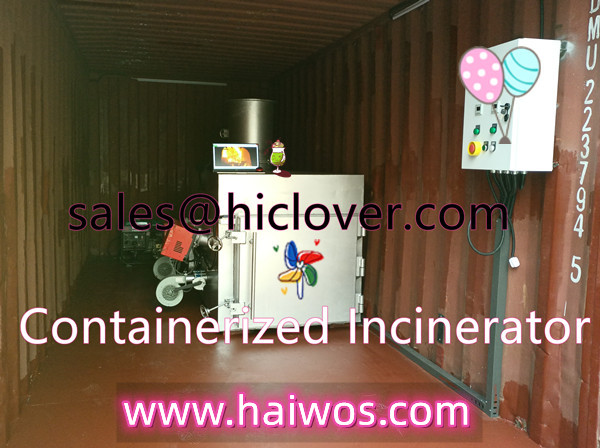
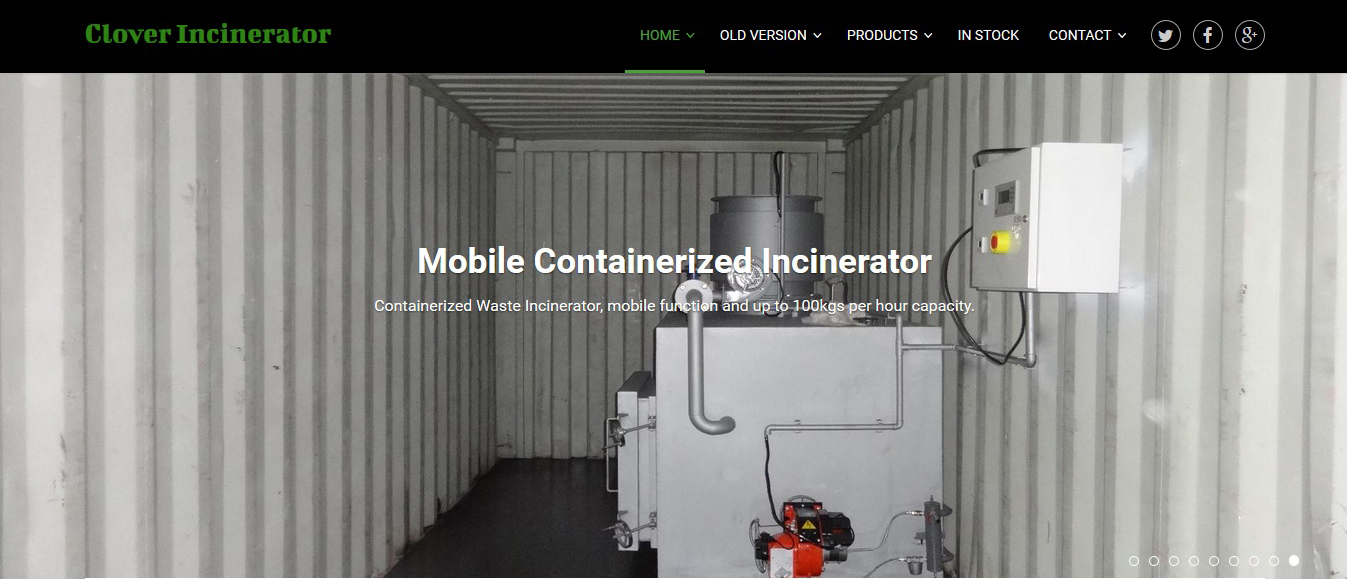
The containerized mobile incinerator mounted in ISO container before leave factory, pre-installation, no incineration house build construction, movable by truck and ultraviolet lamp sterilization inside.
HICLOVER is growing brand for environmental protection field, and market share with most of Africa, Middle East, Southeast Asia countries and part of North America, Europe territory. We are trusted partner for governmental organizations, non-profit organizations, international contractors, logistics organizations, military, pet cremation business owners, etc. We have export experience more than 40 countries, including war zone like Iraq, Afghanistan, Somalia, South Sudan.
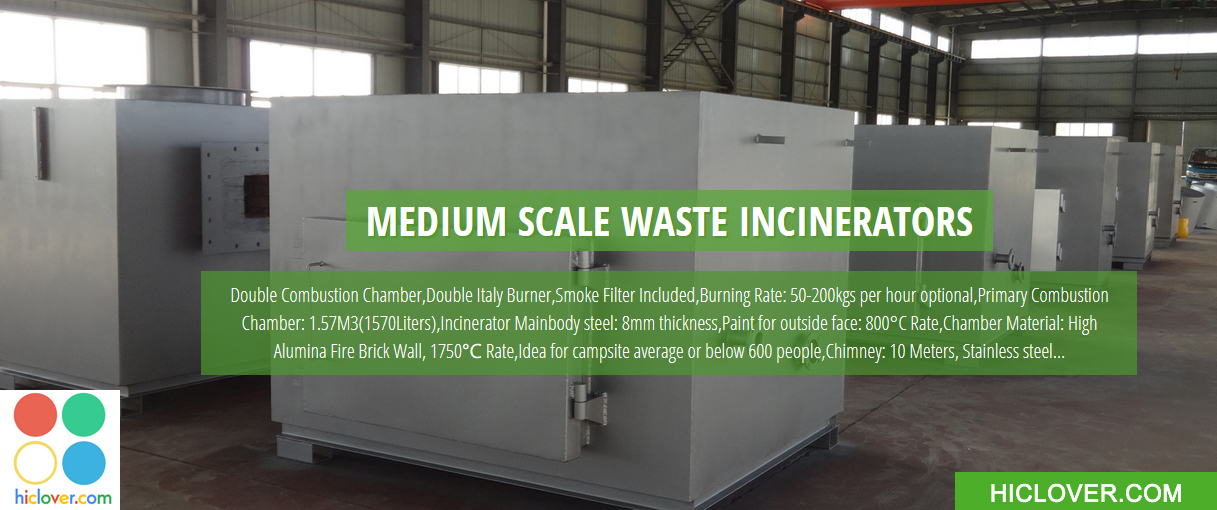
We are china incinerator manufacturer, contractor and exporter. Manufacturer make reasonable price for incinerator customer, supply medical incinerator, hospital incinerator, animal incinerators, hog incinerators, pet cremation equipment, small incinerator, pet incinerator, animal incinerator, portable incinerator, small animal incinerator, infectious waste pyrolysis machine, laboratory incinerator. HICLOVER help customer reduce purchase budget, custom made function, quality products and friendly service.

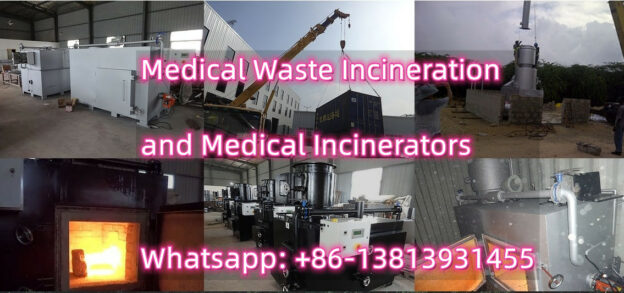
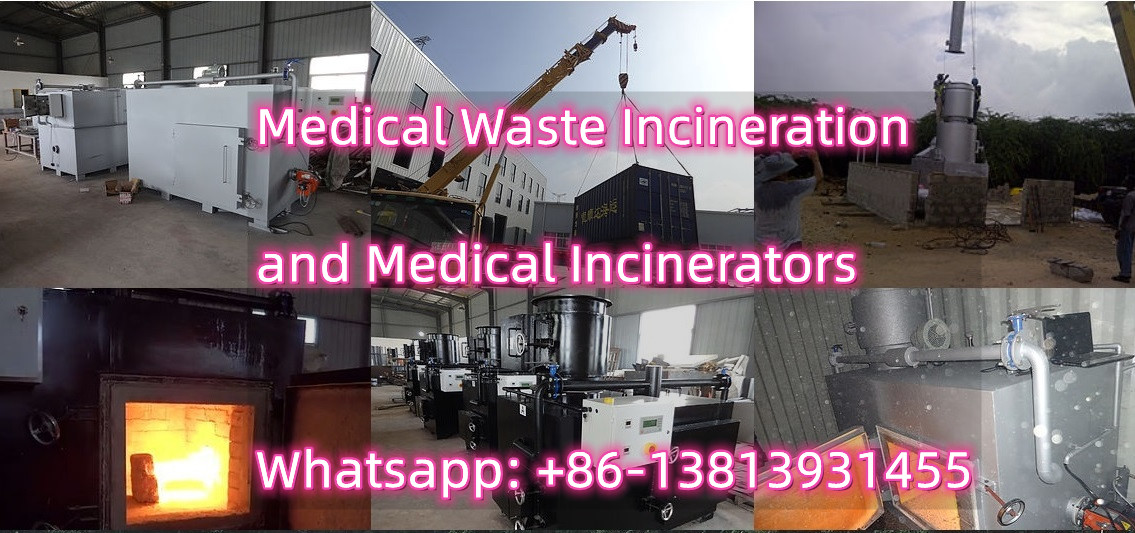
Medical Waste Incineration and Medical Incinerators

Medical Waste Incineration and Medical Incinerators
The Medical range of waste incinerators from  delivers highly efficient solutions
 for safely disposing of all forms of hazardous, pharmaceutical, and medical waste. 
Delivering the perfect solution for Hospitals, Laboratories and Aid Agencies worldwide.
 machines are designed to be 40% more fuel efficient and manufactured to extremely 
high standards using only the highest grade materials to give you a machine that could last you decades.
 Medical incinerators are unique in their design and construction. Purpose built to
 reliably destroy all of your hazardous waste efficiently and economically.
Medical waste incineration involves the burning of wastes produced by hospitals, 
veterinary facilities, and medical research facilities. These wastes include both 
infectious (“red bag”) medical wastes as well as non-infectious, general 
housekeeping wastes. The emission factors presented here represent 
emissions when both types of these wastes are combusted rather than just infectious wastes.
Three main types of incinerators are used: controlled air, excess air, and rotary kiln.   
Of the incinerators identified in this study, the majority (>95 percent) are 
controlled air units.   A small percentage (<2 percent) are excess air.  
 Less than 1 percent were identified as rotary kiln.   
The rotary kiln units tend to be larger, and typically are equipped 
with air pollution control devices.   Approximately 2 percent of the 
total population identified in this study were found to be equipped with air pollution control devices.
Types of incineration described in this section include:
•Controlled air,
•Excess air, and
•Rotary kiln.
Controlled-air incineration is the most widely used medical waste incinerator (MWI) 
technology, and now dominates the market for new systems at hospitals and similar 
medical facilities.   This technology is also known as starved-air incineration, 
two-stage incineration, or modular combustion.
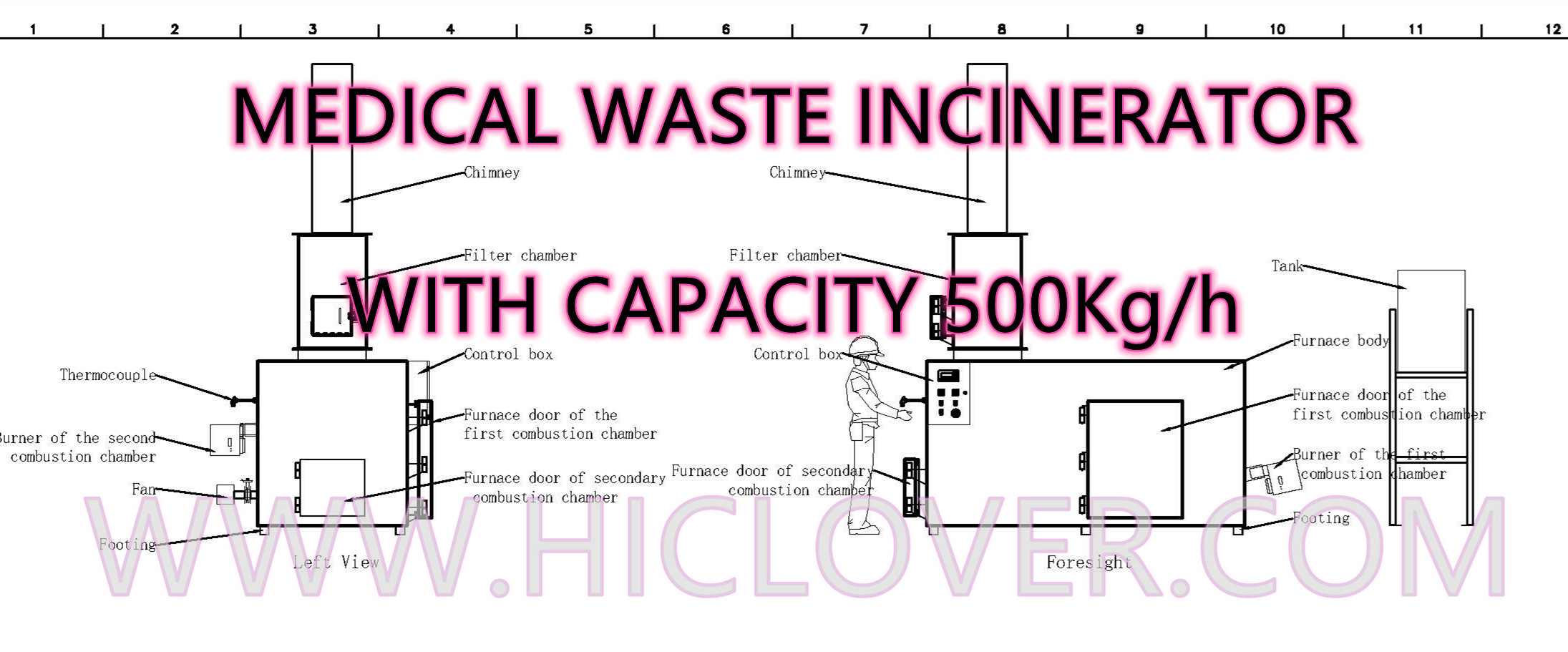
Figure 2.3-1 presents a typical schematic diagram of a controlled air unit.
Combustion of waste in controlled air incinerators occurs in two stages.   
In the first stage, waste is fed into the primary, or lower, combustion 
chamber, which is operated with less than the stoichiometric amount 
of air required for combustion.   Combustion air enters the primary 
chamber from beneath the incinerator hearth (below the burning bed of waste).   
This air is called primary or underfire air.   In the primary (starved-air) chamber, 
the low air-to-fuel ratio dries and facilitates volatilization of the waste, 
and most of the residual carbon in the ash burns.   At these conditions, 
combustion gas temperatures are relatively low (760 to 980C [1,400 to 1,800F]).
In the second stage, excess air is added to the volatile gases formed 
in the primary chamber to complete combustion.   Secondary chamber
 temperatures are higher than primary chamber temperatures– typically 
980 to 1,095C (1,800 to 2,000F).   Depending on the heating value and 
moisture content of the waste, additional heat may be needed.   
This can be provided by auxiliary burners located at the entrance to 
the secondary (upper) chamber to maintain desired temperatures.
Waste feed capacities for controlled air incinerators range from 
about 0.6 to 50 kg/min (75 to 6,500 lb/hr) (at an assumed fuel 
heating value of 19,700 kJ/kg [8,500 Btu/lb]).   Waste feed and 
ash removal can be manual or automatic, depending on the unit 
size and options purchased.   Throughput capacities for lower 
heating value wastes may be higher, since feed capacities are limited by primary

Do Not Put Medical Waste in the Recycle Bin!

Household Medical Waste
You can dispose of most household medical waste through regular trash pickup. You don’t need to hire a medical waste disposal company. But you need to take common sense care and check your local regulations. Even when the US federal government regulated medical waste under the MWTA trial program, it specified that household waste was not included.
Soiled or bloody clothing, bandages, and equipment
Dispose of old medicines
Sharps
Cleaning your house
You may want or need to use universal precautions and protective equipment. These precautions would be taken by others in the house to avoid infection in cases where transmission of serious disease is possible. Regular cleaning of areas where the patient goes can help avoid generation of extra waste. Ask your medical care team; they might recommend specific cleaning procedures. Around-the-house sanitizing can be done with bleach or ammonia solutions. Many commercial preparations build off these components and perhaps add detergents. Other industrial disinfectants employ more complex compounds. See page on disinfection.
Is household medical waste safer than the waste produced in hospitals? Not necessarily. Experts feel that residential waste is about as infective as most of the solid or liquid wastes from hospitals
Sharps
Medical waste in the house poses risk to anyone living in the house as well as visitors and home healthcare workers. If the waste is thrown in the regular trash, the workers who pick up the trash can be at risk, too. It is not uncommon for sanitation workers to get stuck by needles when on the job.
People who take injections on a regular basis should have a sharps container in the house. You should throw away syringes while the needles are still attached. Do not try to remove or bend the needle.
Needles, needle pens, and lancets should go into a sharps container immediately after use. Keep the sharps containers away from children. Medical supply retailers sell sharps containers. They are typically hard, thick plastic, and are constructed to be difficult to open (child and pet safe). If you are going to produce sharps waste regularly, it is worth buying a container. Households have more latitude than professional facilities. If you generate sharps at home and do not have a sharps container, you can make one from an old plastic detergent bottle, or a metal coffee container. Label it “SHARPS”. Do not use a cardboard carton or a container of thinner plastic, and try not to use a transparent container.
When the sharps container is full, you may be able to put it in the regular trash. Put the sealed container into the center of a full, preferably dark trash bag and throw it out with the regular trash. Never put any type of sharp container in the recycle bin. To ensure nobody harms themselves, authorities recommend positioning the sharps container underneath other trash. You might have a hospital, clinic, or doctor’s office nearby willing to take sharps waste.
Never put the sharps container in a recycle bin. Many municipalities have separate collection for trash and for recyclables. You want to put the sharps containers (and other household medical waste) in the trash. It is not recyclable. You will produce a huge headache for your recycle company if you put needles and other medical waste in the recycle bin.
Never put sharps in a medication collection drop box. Many drugstores and healthcare facilities offer dropboxes so people can get rid of their unused medicines in a responsible manner. These are great ideas and help with society’s management of this issue. However, the collection and disposal systems connected to those dropboxes are not set up to routinely take in sharps.
Hospitals and nursing homes in New York are required by state law to accept waste sharps from individual households. Some of the large drug store chains started taking in sharps from individuals a few years ago. These included CVS, Walgreens, and Rite Aid. You might want to call a local store and inquire if it offers this service.
The FDA has this webpage on safely using sharps. FDA page
Cloth Items
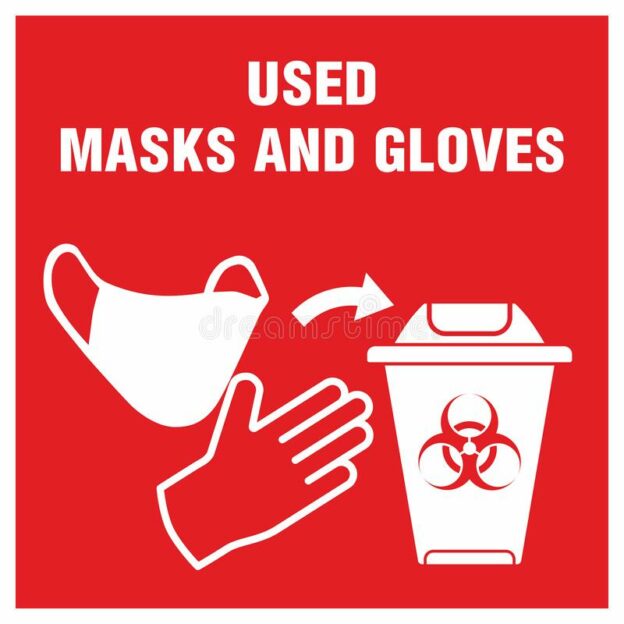
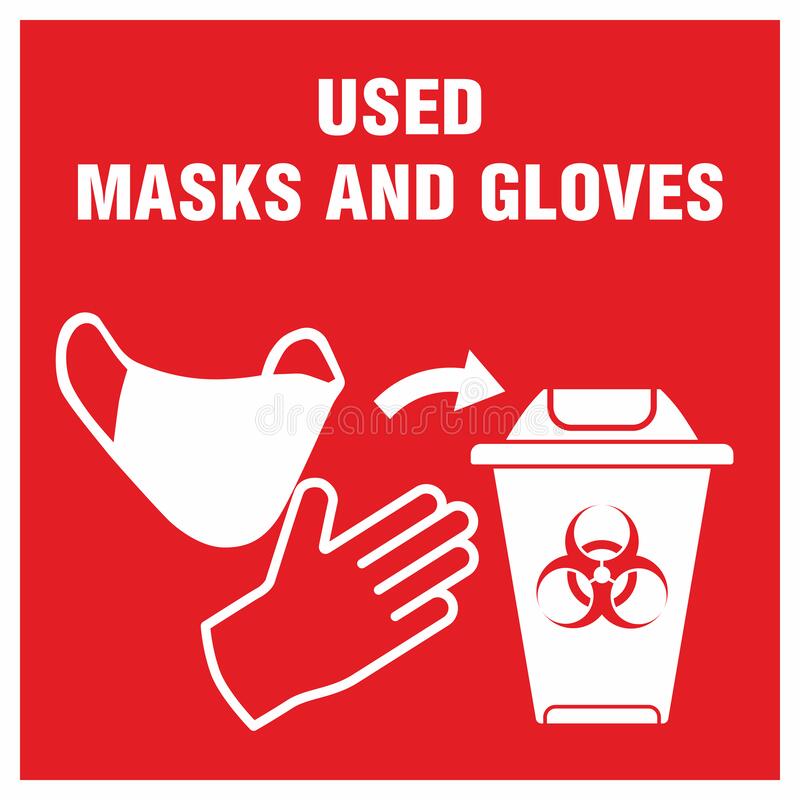
Used gauze, gloves, and bandages safely may have blood, excrement, or other bodily fluids on them. Put them into plastic bags that can be sealed. You can find bags for sale that are specifically intended for medical waste. You might find these convenient, but they are not necessary – any sealable bag will do. When the bag is full or it is trash pickup day, seal the bag (to protect sanitation workers) and put it in the regular garbage pickup barrels.
We recommend using specially made sharps containers for needles, but you don’t need special bags for gloves and bandages. However, dedicating bags just for used gloves and bandages is a good idea for isolating the waste within the house.
Medicines
Prescription medicines should be used only by patients they are prescribed for. If you have leftover medicine you don’t need, do not give it to someone else. Throw it away.
Your local area might have dedicated centers for collecting unused and unwanted medicines. Many retail drug stores also take them. The federal government’s Drug Enforcement Agency has a website that can tell you places (in the US) near you where you can turn in prescription drugs. Click Here.
DON’T FLUSH MEDICINES DOWN THE TOILET. Sewage treatment systems cannot typically break down drugs. The medicines get into the environment where they can have detrimental effects. For this reason, most drugs should be put in the regular trash barrel so your local authority picks it up for disposal in a landfill. The drugs are less likely to negatively impact the environment if they are in a landfill.
Some waste management experts recommend mixing unused drugs with coffee grounds or cat litter before throwing them out. This makes the drugs less desirable to humans and animal pests (mixing eliminates the odor of the drugs). Then put the mix into a sealed container before putting it in the trash. You may wish to remove prescription labels before doing so, both for privacy and to prevent human interlopers from using the information to order refills.
The Food and Drug Administration does recommend toilet disposal of certain medicines, mostly addictive opioids.
The Department of Justice provides a handy webpage where you can find a Pharmaceutical Disposal Location in your area: deadiversion.usdoj.gov/drug_disposal/takeback/index.html
Conventional cleaning techniques
Are regular cleaning procedures you do around the house adequate to prevent disease transmission? Not necessarily, and that is mostly due to the techniques used more than the disinfectant solutions used. Mops and cleaning cloths do indeed provide low-level disinfection of floors and countertops. But if those items are not cleaned themselves and the liquid in the mop bucket is not changed often enough, cleaning can be inadequate. Many facilities toss mopheads into the washing machine, and that is effective to an extent. Similarly, washing clothing (e.g. scrubs) used in medical procedures helps limit infection risk, even if it does not make the clothing sterile.
Radioactive waste
Patients receiving radiation therapy such as brachytherapy and iodine treatment for thyroid disease can produce low-level radioactive waste. Their urine and feces may be considered radioactive. Follow your healthcare provider’s instructions for cases like this. You might be advised to keep bodily wastes in a container for a while until the radioactive material decays.
Difference between waste, rubbish, trash, and garbage
Anything people want to throw away permanently can be called refuse or waste. In households garbage is primarily organic waste from the kitchen and bathroom. Food waste and scraps are garbage. Other refuse from the rest of the house is usually trash, unless it is compostable and a compost system is in place, in which case it can be called compostable waste. Yard clippings are in this category. In areas that have single-stream recycling programs, most trash can be put in the recycle container. Not organic stuff like yard clippings, but trash generated inside the house is usually acceptable for recycling. Garbage cannot be recycled.
Medical waste generated at home can be put in the garbage bin. If extraordinary circumstances make the waste particularly hazardous, your healthcare provider may tell you otherwise, and pharmaceuticals merit special disposal, but most stuff like bandages can be tossed in the garbage (not the recycling container.)